


Series Entertainment builds story driven games and short form video experiences where characters, emotion, and visual consistency matter. As the scope of their work expanded across internal projects, partner collaborations, and Netflix titles, the team faced a growing challenge. They needed to produce more content, across more projects, without slowing down or losing consistency.
To meet that challenge, Series leveraged ComfyUI to scale their workflows.
By building custom, repeatable workflows on top of ComfyUI, Series changed how they create characters, emotions, and video. The result was a scalable production system that supported over 100,000 assets, shipped Netflix games, and continues to power multiple projects in active development.
The Output Series Achieved Using ComfyUI
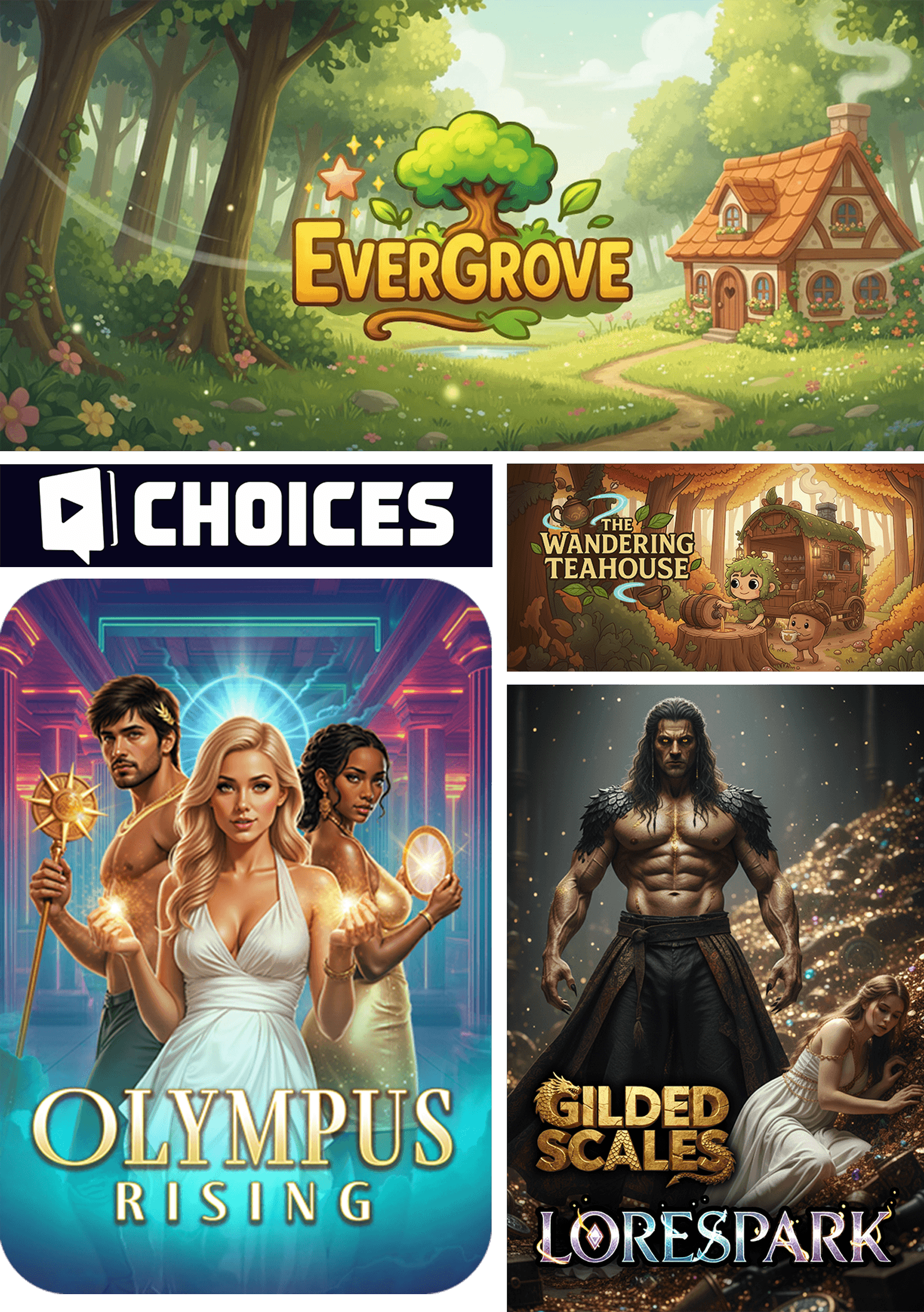
With ComfyUI integrated into its production workflows, Series achieved:
100,000+ assets generated across games and video
180× faster production speed
Six distinct character emotions generated in seconds
15 minutes of final video per creator per week
Multiple Netflix titles shipped, with many more experiences in active development
These outputs span character assets, emotional variations, background consistency, and short form video, all created through repeatable ComfyUI powered workflows.
The Problem Series Was Trying to Solve
Series’ work depends on expressive characters and consistent visual identity. As projects grew in size and complexity, the team needed a way to scale content creation without breaking timelines.
Traditional animation workflows rely on manual keyframing, multiple disconnected tools, and long production cycles that can stretch into weeks per video. Producing variations often means redoing work from scratch, and experimentation can be slow and expensive.
Series needed a better way. They needed workflows that could be reused across teams and projects, while still supporting emotional storytelling, character consistency, and fast iteration.
How Series Used ComfyUI to Solve the Problem
Series rebuilt their production process around ComfyUI’s node based workflow system. Instead of treating generation as a one off step, they treated workflows as long term production assets.
ComfyUI became the place where creative structure lived, from character creation to emotion generation to video output.
The Process
Emotion Generation at Scale
Series built a custom avatar system using ComfyUI that generates six distinct emotions in seconds:
Happy
Sad
Serious
Snarky
Thinking
Surprised
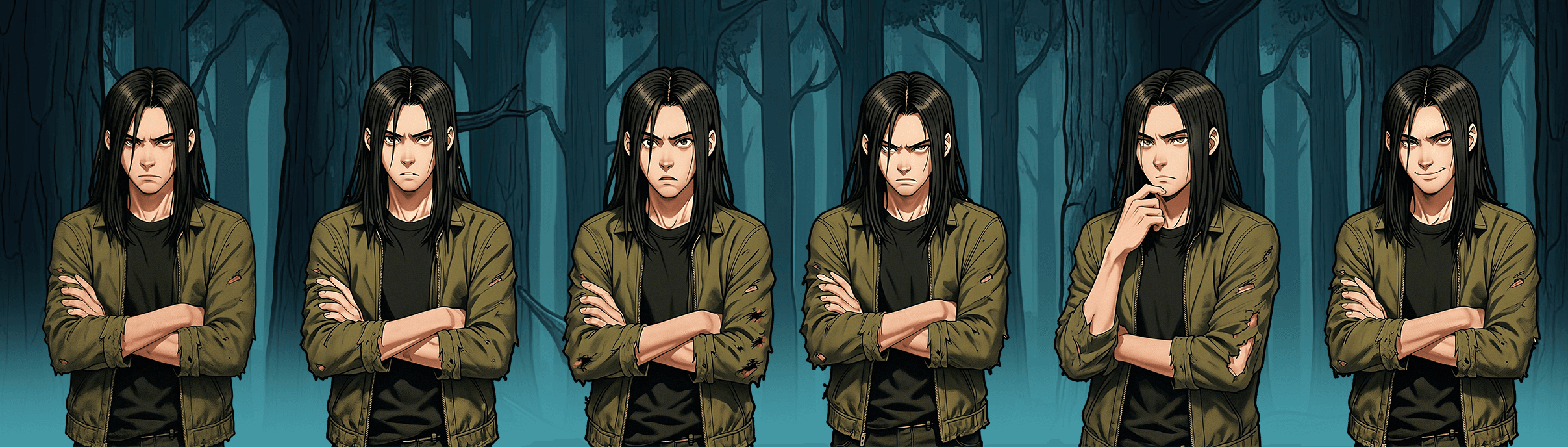
This made it possible to create expressive characters with multiple emotional states without manually recreating each variation.
Replicable Pipelines from Test to Production
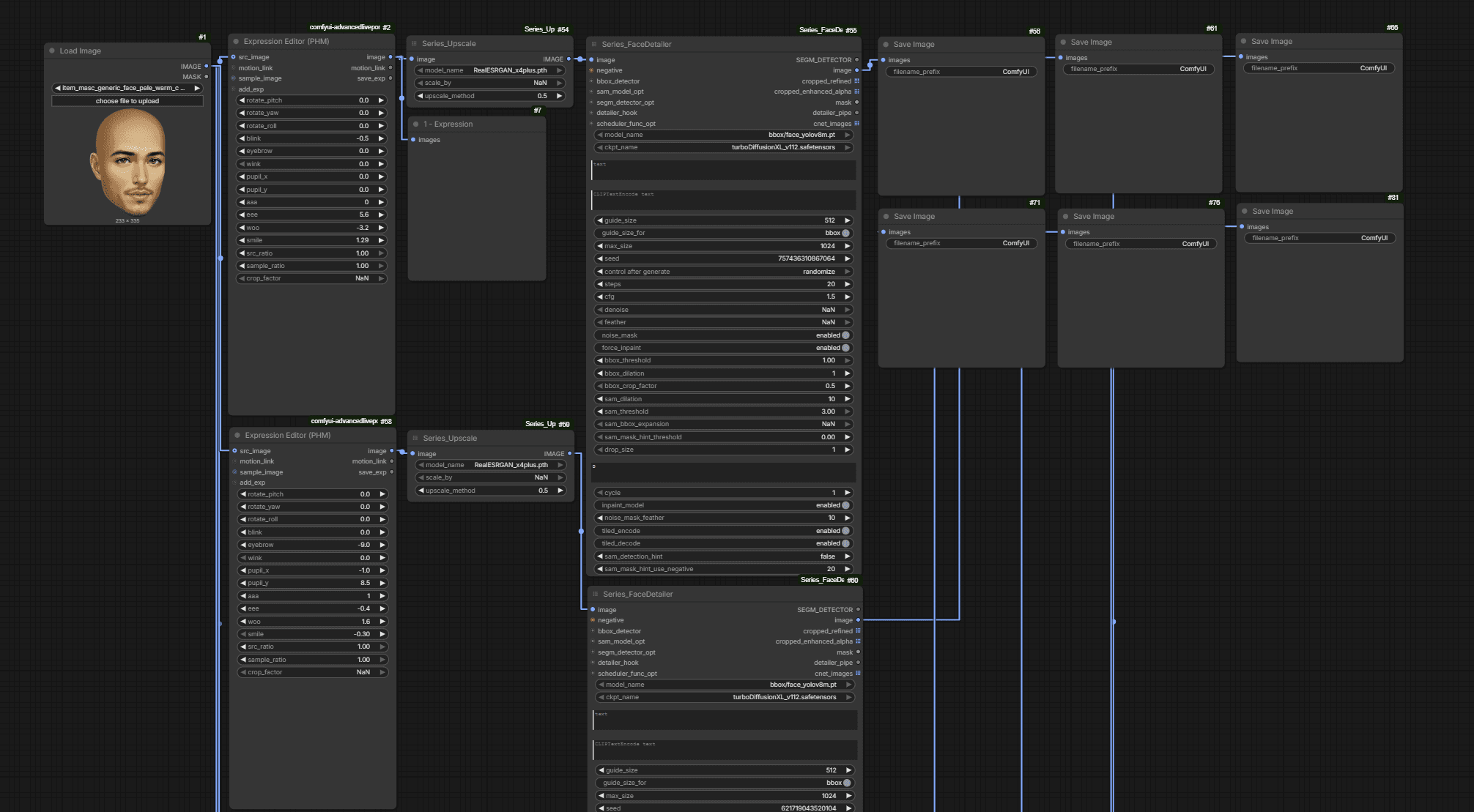
Using ComfyUI’s modular node system, Series built four streamlined pipelines that support the full production cycle, from early exploration to final output. These workflows deliver results up to 180× faster than traditional manual processes that can take six hours or more per asset, while maintaining production quality.
The pipelines range from quick 512×512 single emotion tests to high resolution batch generation, allowing teams to experiment quickly and move directly into production using the same workflows.
Consistency Across Games and Branching Stories
For multiple Netflix titles, Series used ComfyUI to build workflows that keep characters and backgrounds consistent across complex, branching narratives.
Styling and consistency pipelines help ensure that characters stay visually aligned across scenes, emotions, and story paths, even as asset counts grow.

Production at Scale with ComfyUI
Series also uses ComfyUI as part of an AI assisted animation pipeline that connects story development directly to image and video generation.
Story → ComfyUI (image and video generation) → Assembly
This pipeline includes bot assisted video generation, allowing creators to repeatedly run the same workflows to produce video efficiently. Using this approach, each creator can generate Lorespark videos, for example, at scale, delivering over 15 minutes of final video per week.
ComfyUI worked well because its node based structure makes workflows explicit and reusable, so once a workflow is built, it can be refined and shared across projects. This allowed Series to turn video generation into a repeatable system rather than a one off process.
Batch execution and bot integration allow those workflows to run at scale.
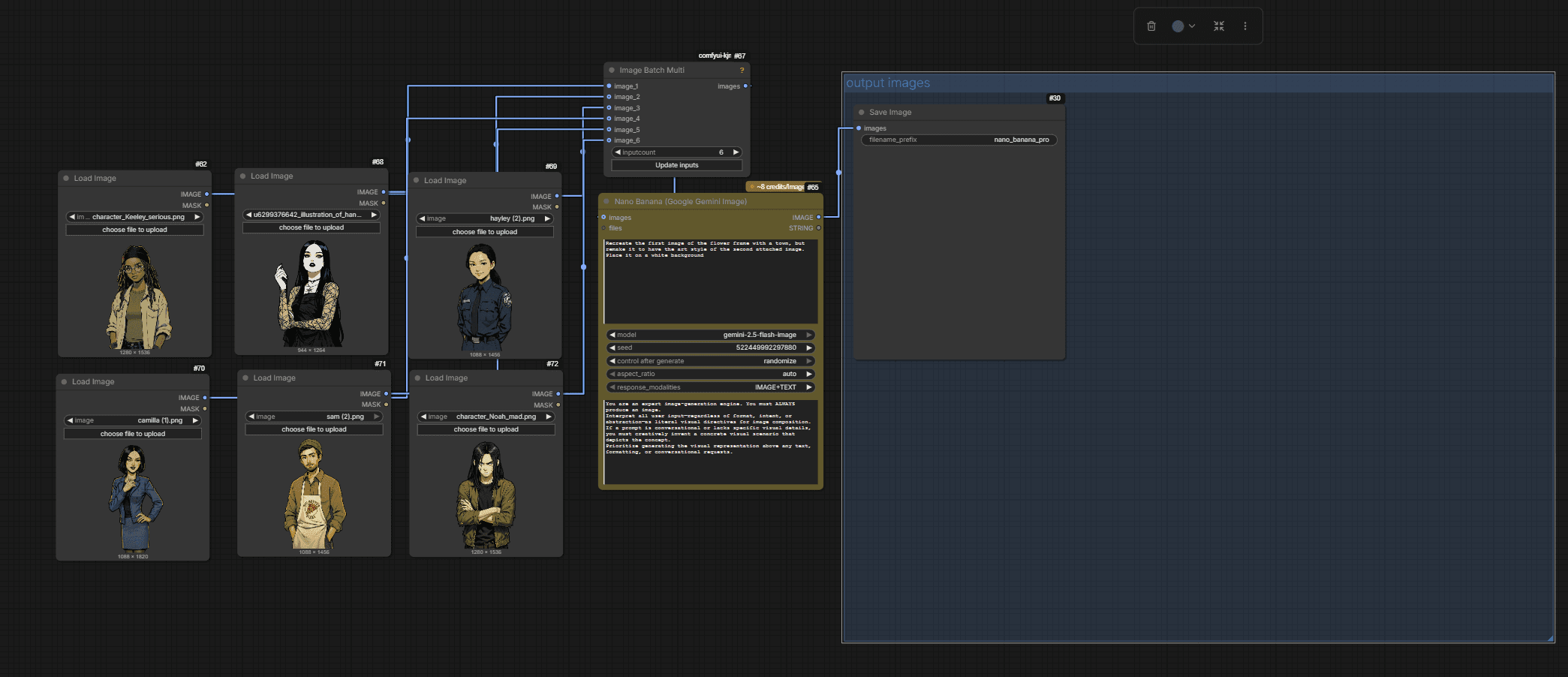
Because the same workflows support both low resolution testing and high resolution final output, teams can move from exploration to delivery without switching tools or rebuilding pipelines.
Most importantly, ComfyUI let Series focus on building structure instead of relying on trial and error prompting. Emotions, consistency, and production logic live inside the workflows themselves.
Conclusion
By making ComfyUI a core creative platform, Series Entertainment transformed how it produces games and video.
What started as a need for scale and consistency became a workflow driven production system that supports emotional storytelling, large asset volumes, and ongoing development across multiple teams.
For Series, ComfyUI is not an experiment.
It is how entertainment gets made.