

The relationship between art and technology has always had a fundamental tension: scarcity vs abundance. Historically the value of art has been synonymous with lack of access, with the opposite being true of software and tools.But a new wave of creator-led AI projects is proving these philosophies don’t have to be at odds — and the results are both culturally resonant and commercially viable.
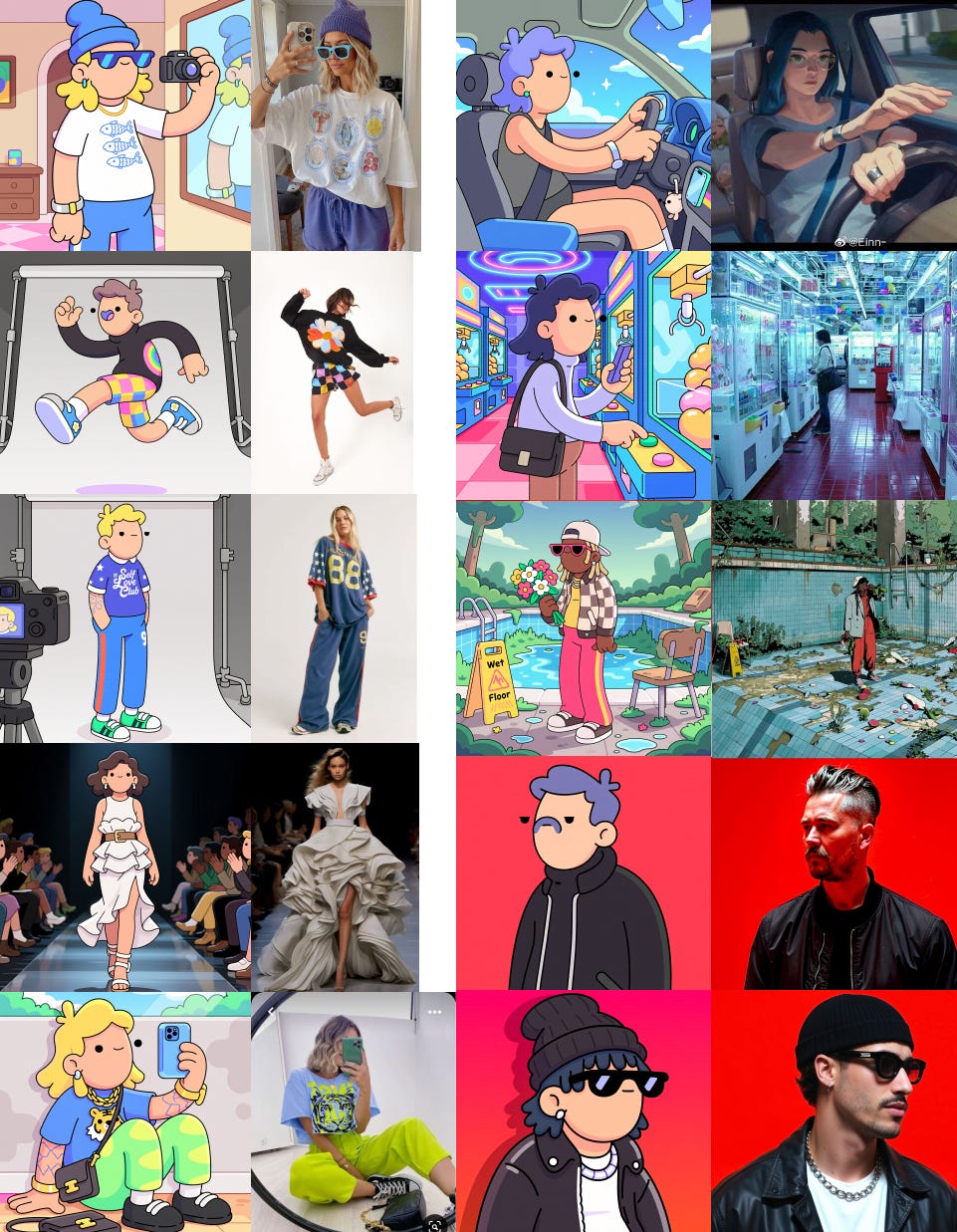
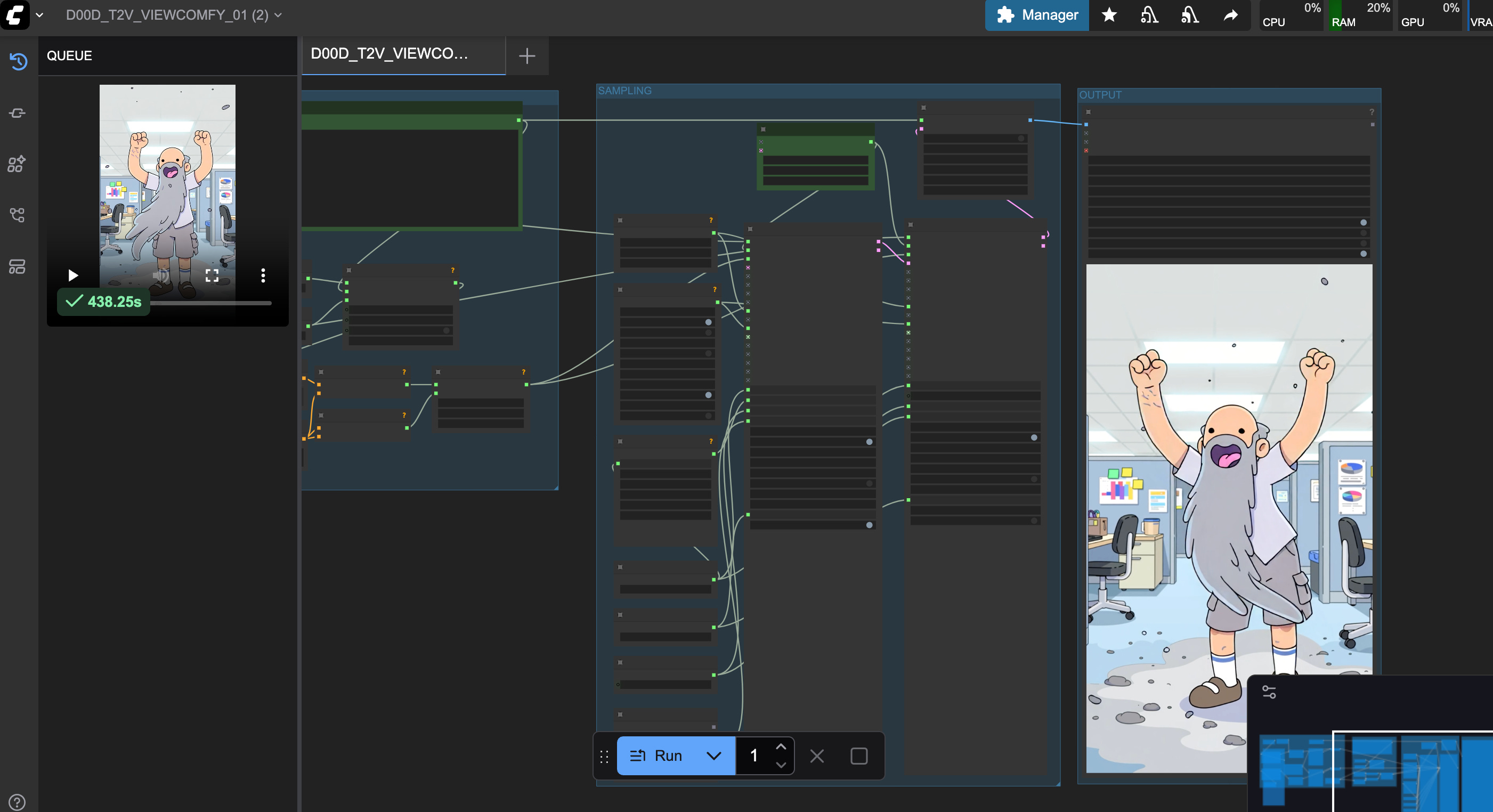
Doodles, the entertainment brand built around the iconic pastel-palette artwork of Canadian illustrator Scott Martin (known as Burnt Toast), is about to launch Doodles AI — a generative platform powered by PRISM 1.0, a generative image model trained on Doodles’ extensive body of work that can reimagine people and objects in the unmistakable Doodles visual language. Behind the scenes, the engineering is being handled by SYSTMS, an AI studio whose tagline — “Engineering the Impossible” — reflects their approach to building bespoke creative pipelines using open-source infrastructure, including node-based workflow tools like ComfyUI.
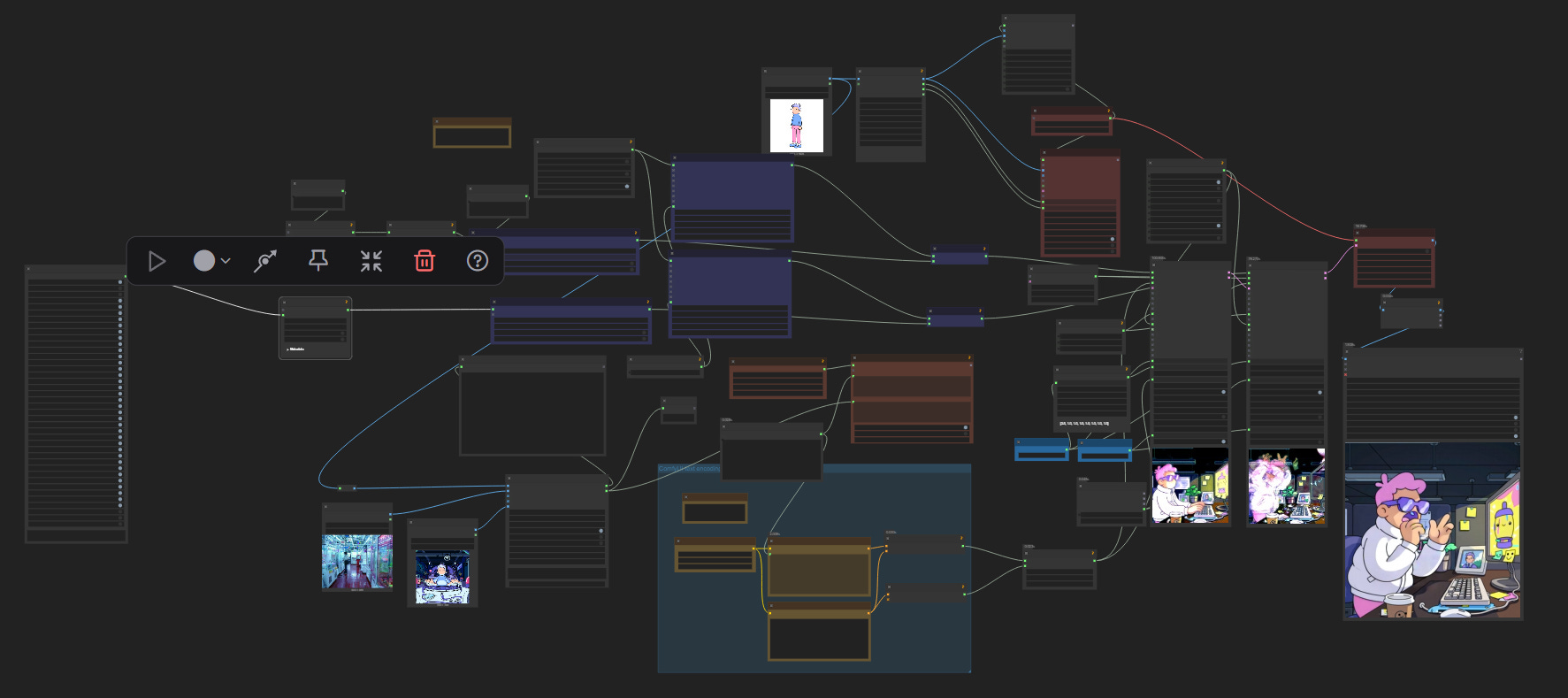
The story of how these pieces came together offers a compelling blueprint for anyone watching the intersection of open-source, AI, artist-driven brands, and the emerging concept the Doodles team is calling “open story.”
IP Without Walls
Artists have traditionally been protective of their IP, and for good reason. But the Doodles team is exploring a new model where the community doesn’t just consume the brand — they co-create it. Every generation a user produces on the Doodles AI platform makes the model stronger. Through reinforcement learning user generated content becomes part of the training data for future iterations of the PRISM. Users aren’t just customers; they’re collaborators shaping the brand’s visual DNA.
This represents a fundamental shift. As Scott Martin put it when he returned as CEO in early 2025, the goal is to recalibrate — creativity first, community at the center, art driving everything. Martin, who built his career as an illustrator working with Google, Snapchat, Dropbox, and Adobe before co-founding Doodles in 2021 alongside Evan Keast and Jordan Castro, understands both the commercial and artistic sides of this equation. His role as what some call an “artist CEO” is central to the credibility of the entire endeavor.
The Last Mile Is the Whole Game
Doodles AI represents something powerful: proof that open source tools can power commercially successful, brand-quality products.
The SYSTMS team uses open-source tools in their rawest form, prioritizing control and innovation at the bleeding edge of the space. The fact that these same tools are now producing output with the kind of brand fidelity that differentiates Doodles from generalized platforms like MidJourney or Sora is significant. It’s the “last mile” problem in creative AI — getting from 85% to 100% fidelity — and it’s where the real value lies.
Doodles AI is a showcase of what’s possible when open-source workflows meet professional creative direction. ComfyUI’s powerful node-based platforms allows users to package complex systems of open-source models, APIs and other tools into consumer-facing applications, making it a natural fit for projects like this, and the SYSTMS team is exploring ways to make this collaboration more visible to the broader community.
Coded DNA
Doodles AI launches with PRISM 1.0 as an image to image model, but the roadmap is ambitious: 2D and 3D output generation, video with sound, real-time AR, and gaming applications. Original Doodles holders receive 100 free generations on launch day — a deliberate move to seed the community and let them flood every timeline with the platform’s output.
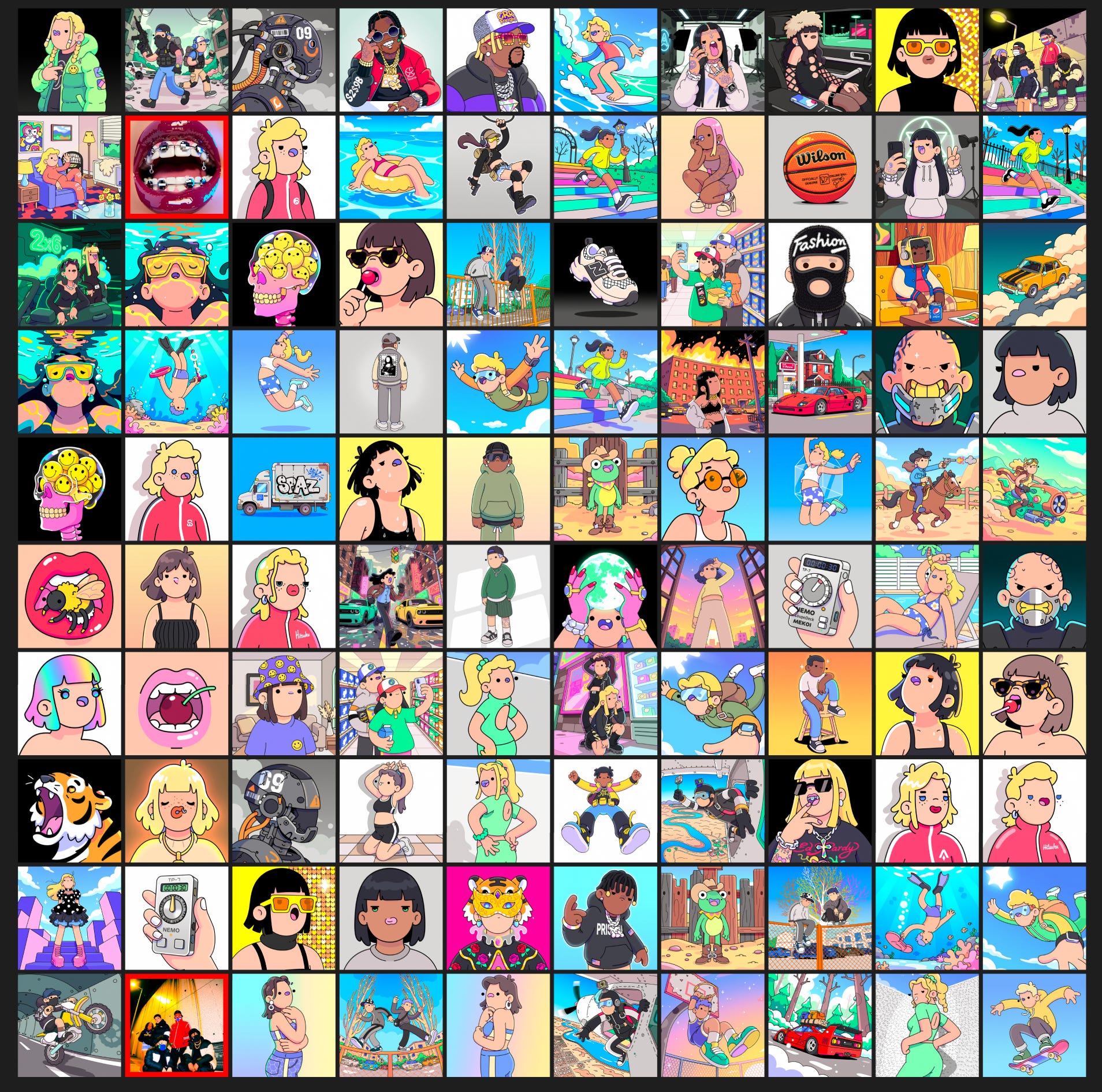
The deeper play is alignment with the speed and scale of the entire AI industry. By building on open-source infrastructure and fostering a community of co-creators, Doodles has positioned itself to plug its “coded DNA” into future technologies that don’t yet exist. It’s a bet that openness — open source, open story, open creation — isn’t just philosophically appealing but strategically sound.
For artists watching from the sidelines, the message is clear: the building blocks are here, the community is building, and the line between creator and consumer is disappearing. The question isn’t whether open source will reshape creative industries. It’s whether you’ll be building with it when it does.
Doodles: doodles.app | SYSTMS: systms.ai | ComfyUI: comfy.org
Big fan of Doodles and Burnt Toast!