

MiniMax H3 Image is now supported natively in ComfyUI. Open weights, six sampling steps, and output at 4096×4096. One model covers text-to-image and reference-image editing. It runs on your own hardware, and it is also available via Partner Nodes.
Model Introduction
MiniMax H3 Image is MiniMax’s open-weights image model. It generates from a prompt, and it edits when you hand it reference images. Same checkpoint, same graph. A run with images connected is an image edit workflow. A run without is text-to-image.
It shares its Qwen3-VL text encoder with MiniMax H3, the video model already supported in ComfyUI. If you run MiniMax H3 today, you already have that file.
The model is CFG-distilled and samples in six steps at guidance 1. Those values are fixed by the checkpoint, so there is nothing to tune and no negative prompt to write.
There are two ways to run it in ComfyUI:
Open weights, natively. Download the weights and run the graph on your own GPU. This is the full model, with every input on the canvas.
Partner Nodes. Run it through the API from the same canvas, with no weights to download.
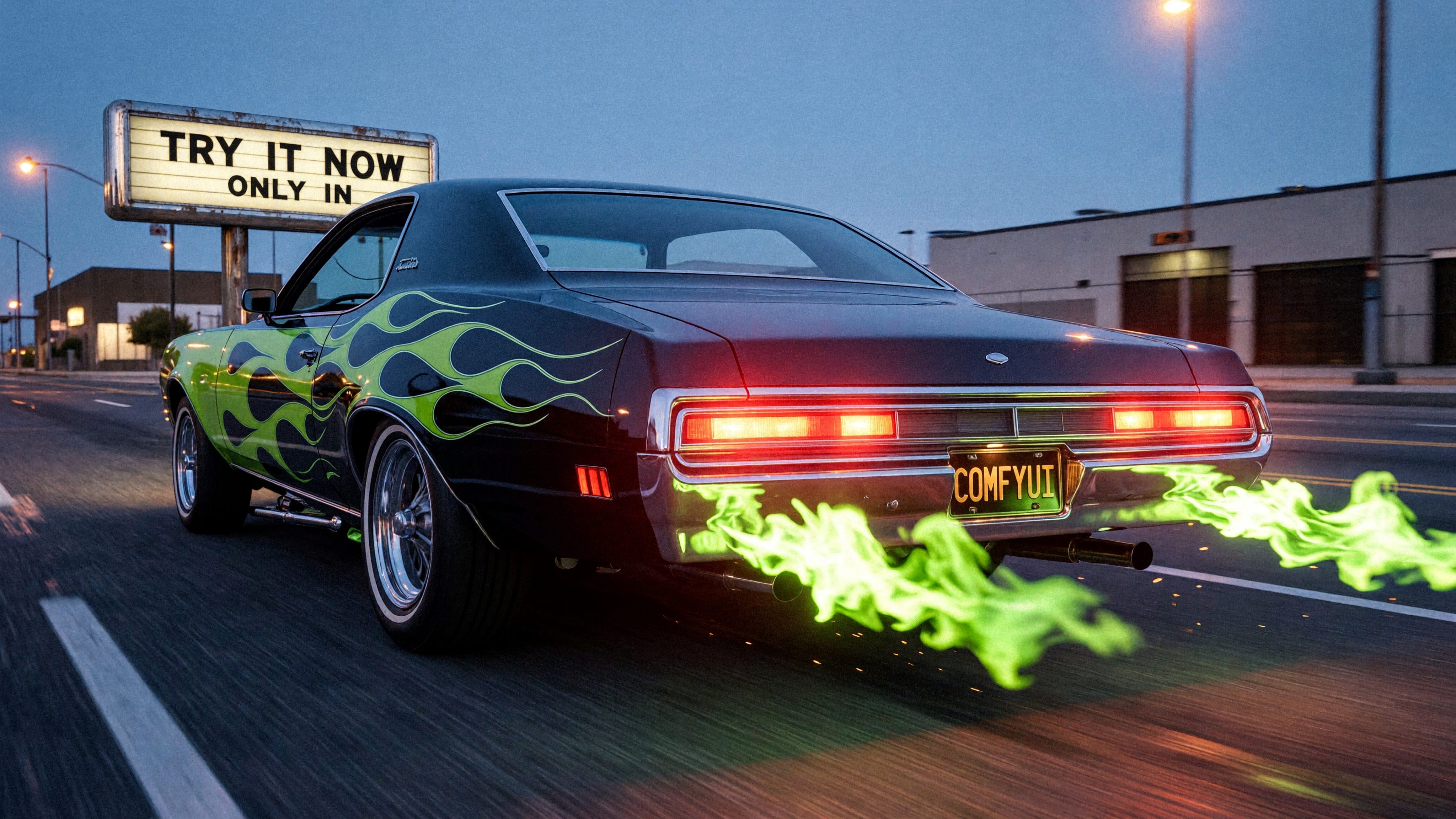
Model Highlights
Generation and editing in one model. Text-to-image and reference-image editing come from a single checkpoint. Switch between them by connecting or disconnecting images.
Six steps. PDD sampling at guidance 1. The step count matches the checkpoint’s six distilled output heads, so every run is six steps.
Native high-resolution output. 4096×4096 at 1:1, 4736×3552 at 4:3, 5024×3360 at 3:2, 5472×3072 at 16:9, and 6272×2688 at 21:9. The 4:3, 3:2 and 16:9 sizes also run in portrait. Generated at that size, not upscaled into it.
Multi-reference editing. Connect several images and name them in the prompt as
<Picture 1>,<Picture 2>, and so on. Numbering follows input order.Long prompts. Up to 4096 tokens. Long, complete descriptions of the image work best. Use MiniMax’s H3 Image Prompt Enhancer model to generate detailed prompts.
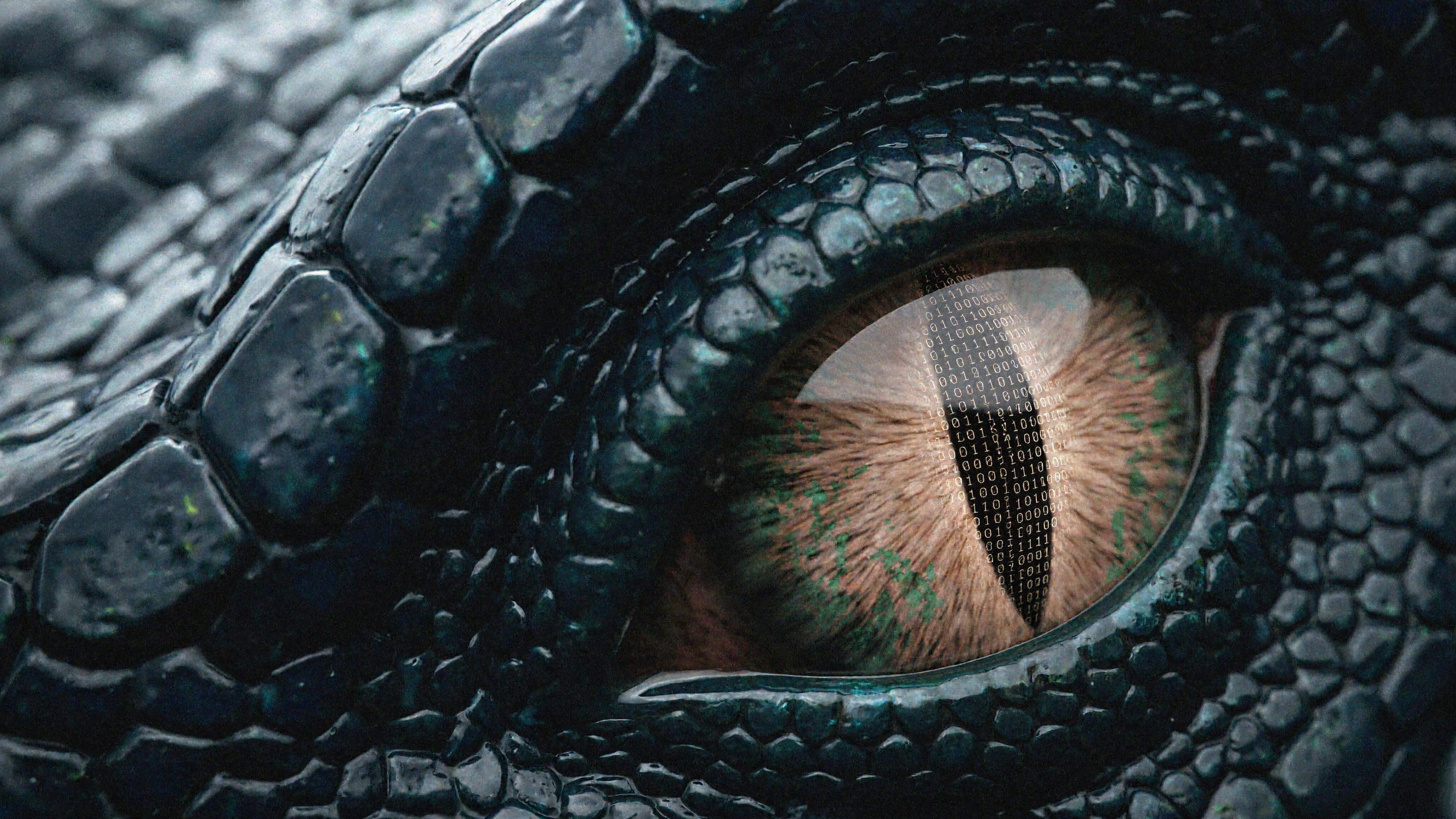
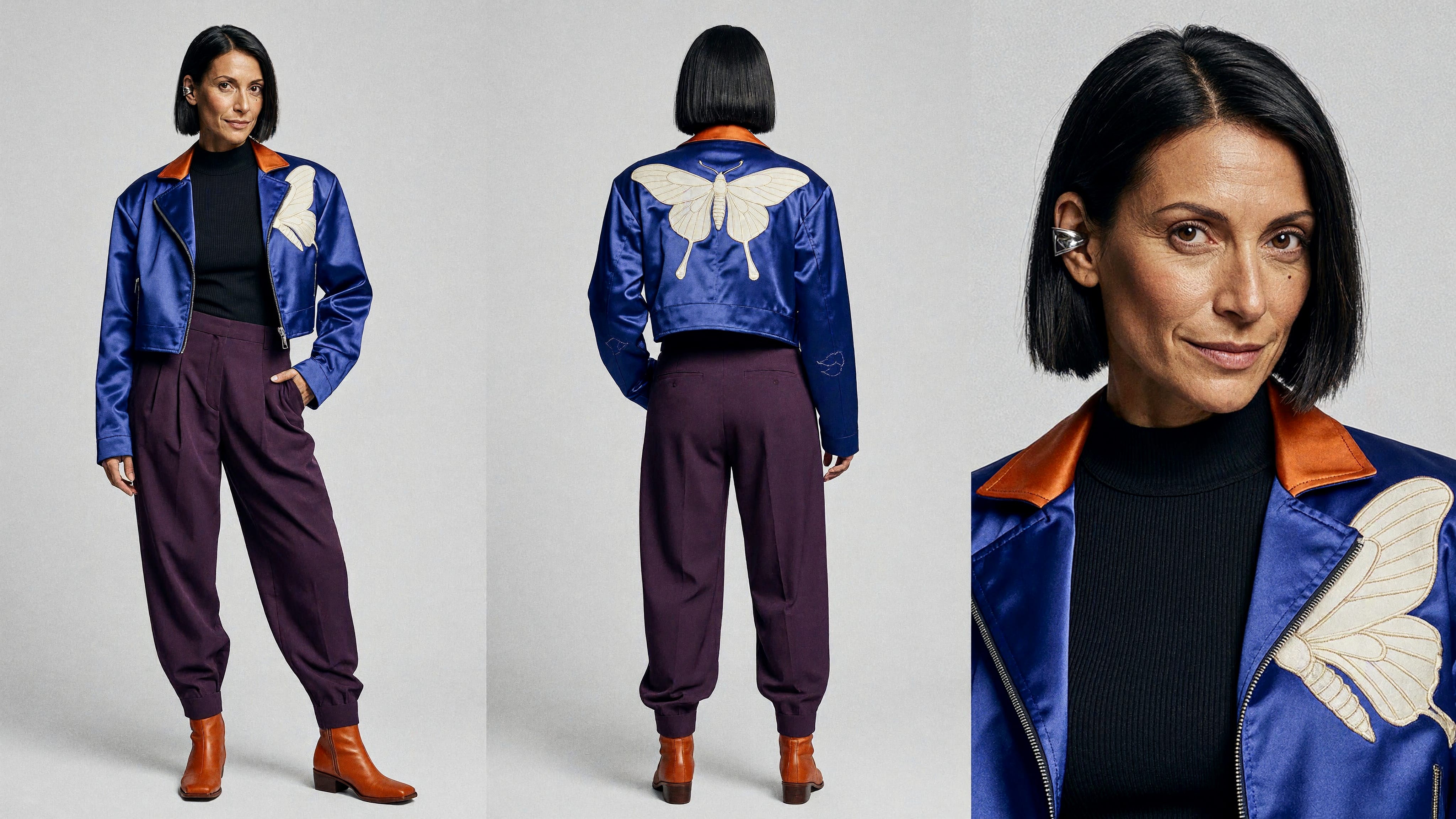
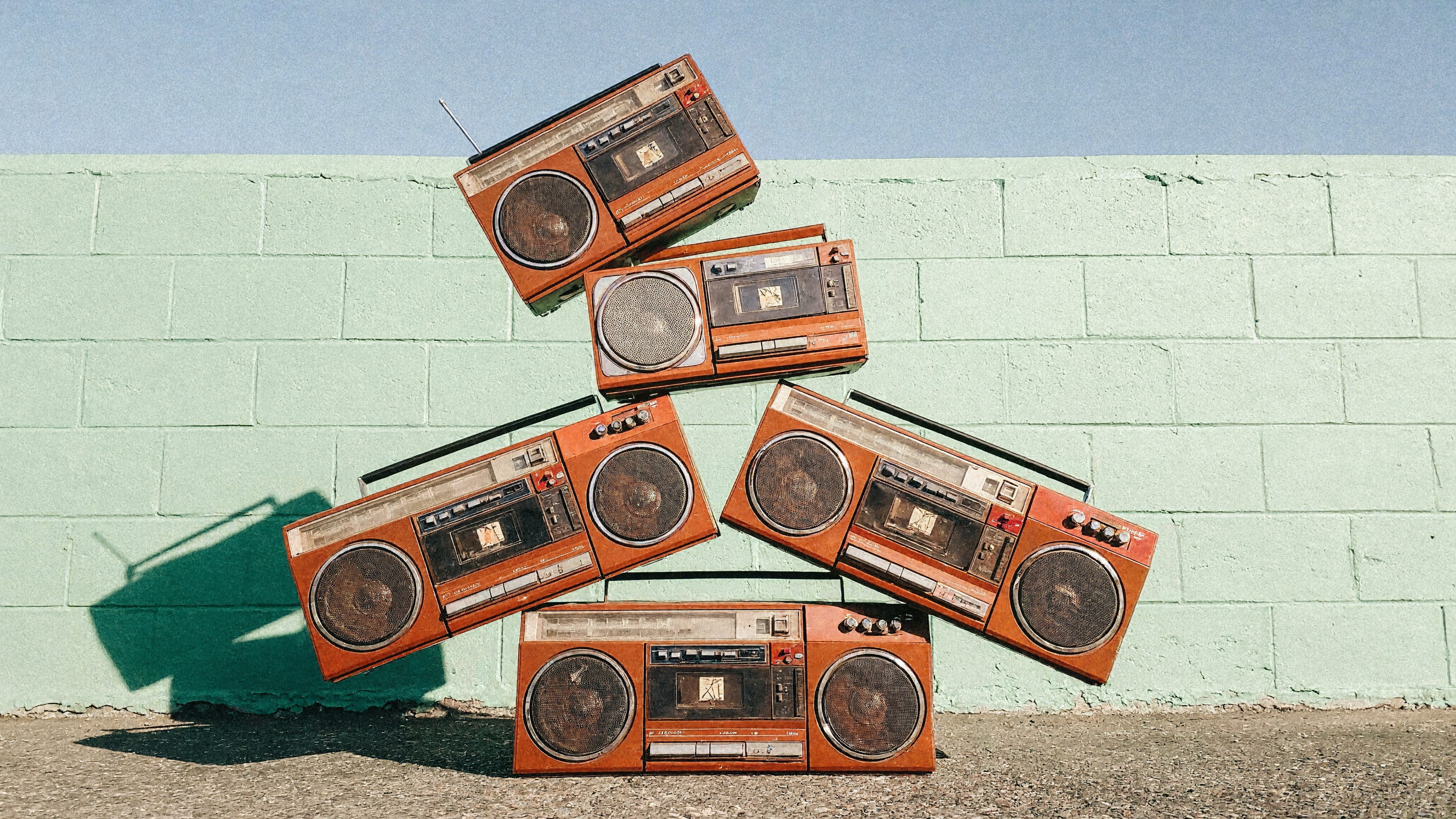
Three things worth knowing about the node MiniMax H3 Image Conditioning:
Width and height default to automatic. Left at 0, the generated image is 2048×2048 for text-to-image. With images connected, it follows image_1. Set both to pick your own size.
image_1 is the picture being edited. The others are references. Slot order sets the <Picture n> numbers in your prompt.
Connect the VAE when you edit. With it, reference images are anchored as latents as well as read by the text encoder. Without it, they only condition the text encoder.
Getting Started
Update ComfyUI to the latest version, or open Comfy Cloud.
Download the MiniMax H3 Image weights from Hugging Face. You need the diffusion model, the VAE, the Qwen3-VL text encoder. The text encoder is the same one MiniMax H3 uses.
Load the MiniMax H3 Image template from the Templates panel, or download the text-to-image and image edit workflows from our repository.
Write your prompt. To edit, connect images to
image_1onward and connect the VAE to the node.Try it on Comfy Cloud, and let us know what you make. As always, enjoy creating!